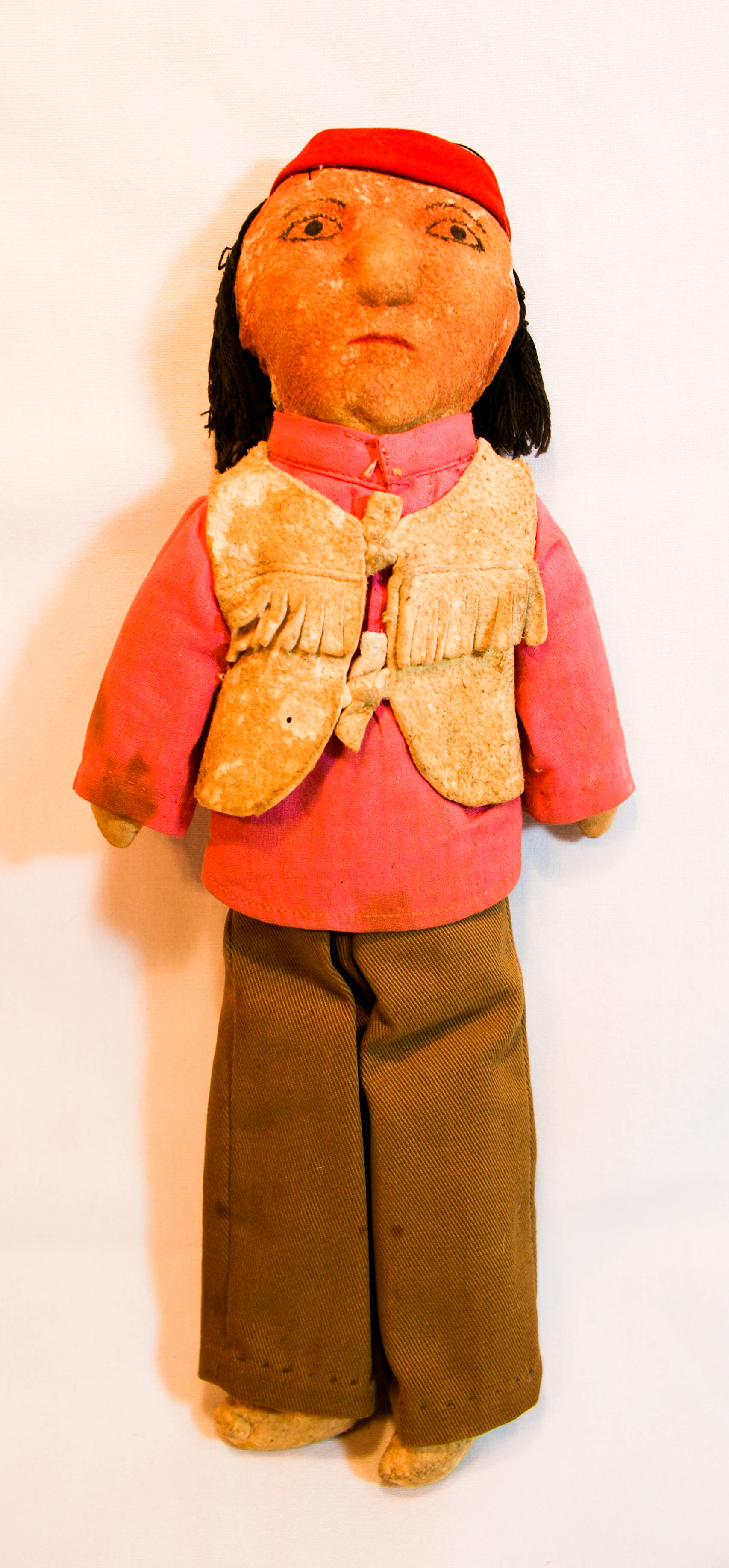
A wonderful example of early 1900’s Native American doll. It is all handmade of cloth and leather. Many of these dolls were sold early tourist trade late 1800’s to current day. The Native American Indians master the craft of using natural resources to provide for a source of income and trading. However, the idea of a child’s doll as a lasting keepsake is not really traditional in a lot of Indian tribes. Dolls were usually made of perishable materials like cornhusk, palmetto fiber, or bundled pine needles; even dolls that were made out of wood or leather were not often built to last the way adult crafts were. In many tribes it was considered inappropriate to discipline a very young child, so they simply weren’t given toys they weren’t allowed to chew on and throw in the river. And in some tribes, the impermanence of children’s dolls and toys was meaningful to parents– as corn dolls and other childhood things naturally fell apart with time, it showed that a girl was growing up. Even though Native American dolls were not traditionally made to last, they were often beautifully adorned with miniature doll clothing and jewelry, beadwork or painting, and animal fur or even hair from the mother’s head. Because native adornment and decorative patterns are so distinctive, handmade Indian dolls are distinctive as well, and today many people, adults and children alike, like to keep them as cultural collectibles as well as toys.
Author Archives: davidaantiques
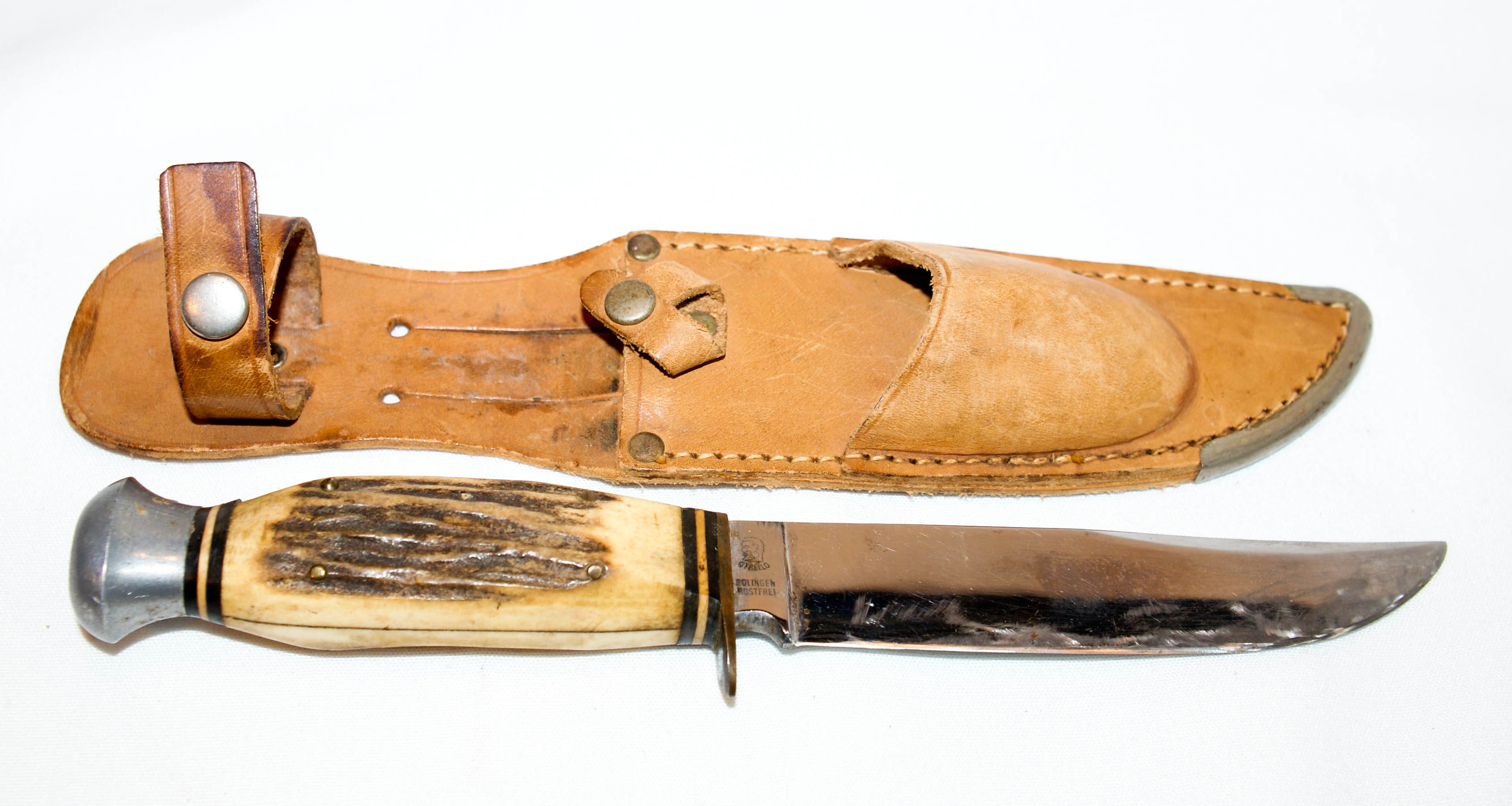
VINTAGE OTHELLO HUNTING KNIFE
Vintage wonderful Othello Hunting Knife with Solingen Rostfrei Germany blade. Has real deer horn carved handles with leather sheath. Knifes have been by man’s side for 1000’s of years. A source of weapon for fighting protection and a tool. Germany in the past 100 plus years have been a leader in manufacturing the best steel for the blades.
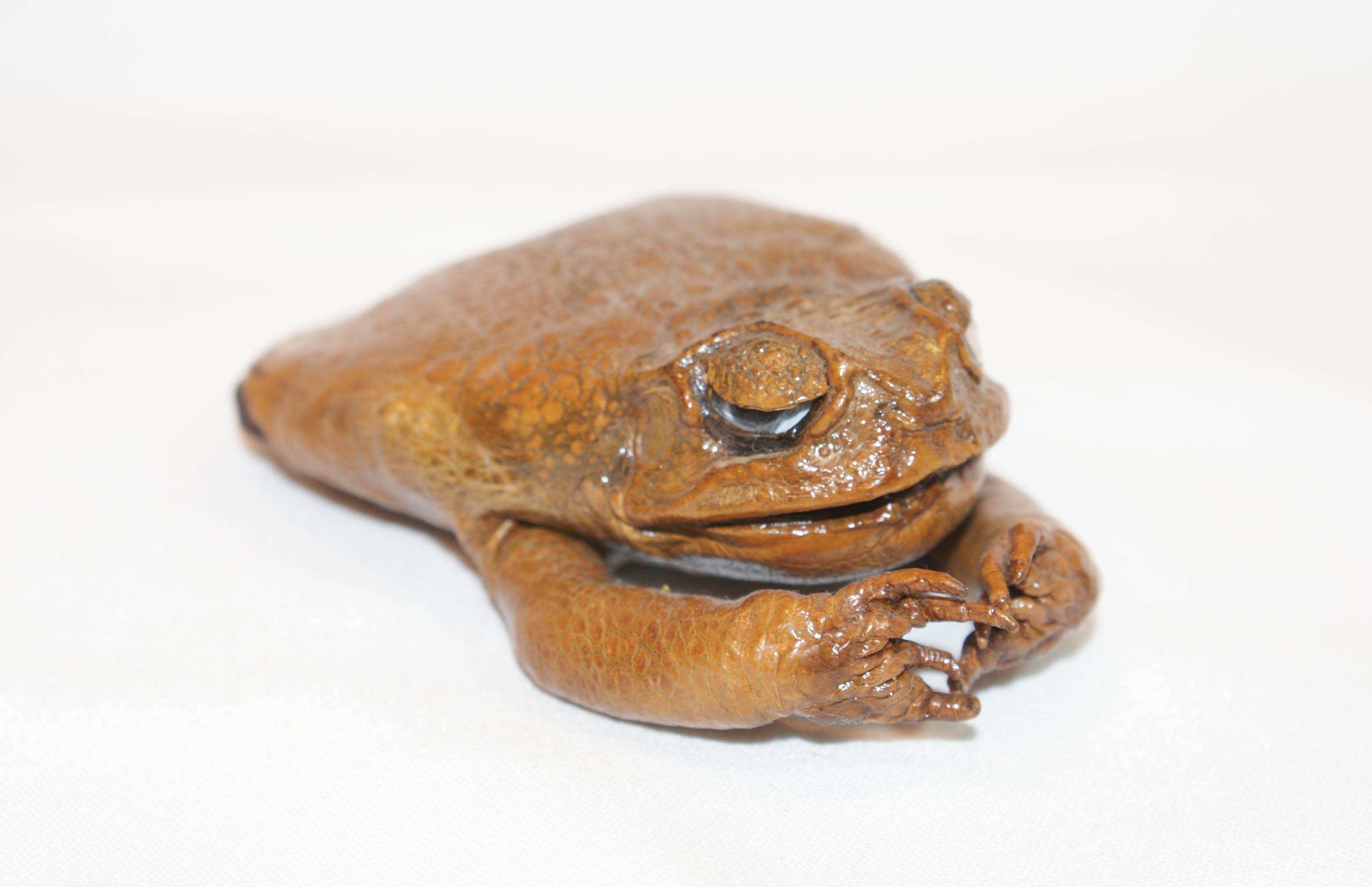
1950’s TOAD FROG TAXIDERMY COIN PURSE
This is a unique toad coin purse, it is bizarre and unique. Made in the 1950’s. There is great history to the coin purse. In the 15th century, both men and women wore purses. They were often finely embroidered or ornamented with gold. It was also customary for men to give their new brides purses embroidered with an illustration of a love story. In the 17th century, bags became more complex and elaborate. Girls were taught skills such as embroidery and needlework that could assist them in finding a husband. These skills gave rise to stitched artwork on bags. Around the year 1670, men’s breeches were made with built-in pockets, which caused them to stop carrying purses. They did however carry little netted purses in their pocket to carry money. Than came this 1950 coin purse!!! It was made as a novelty gag item.
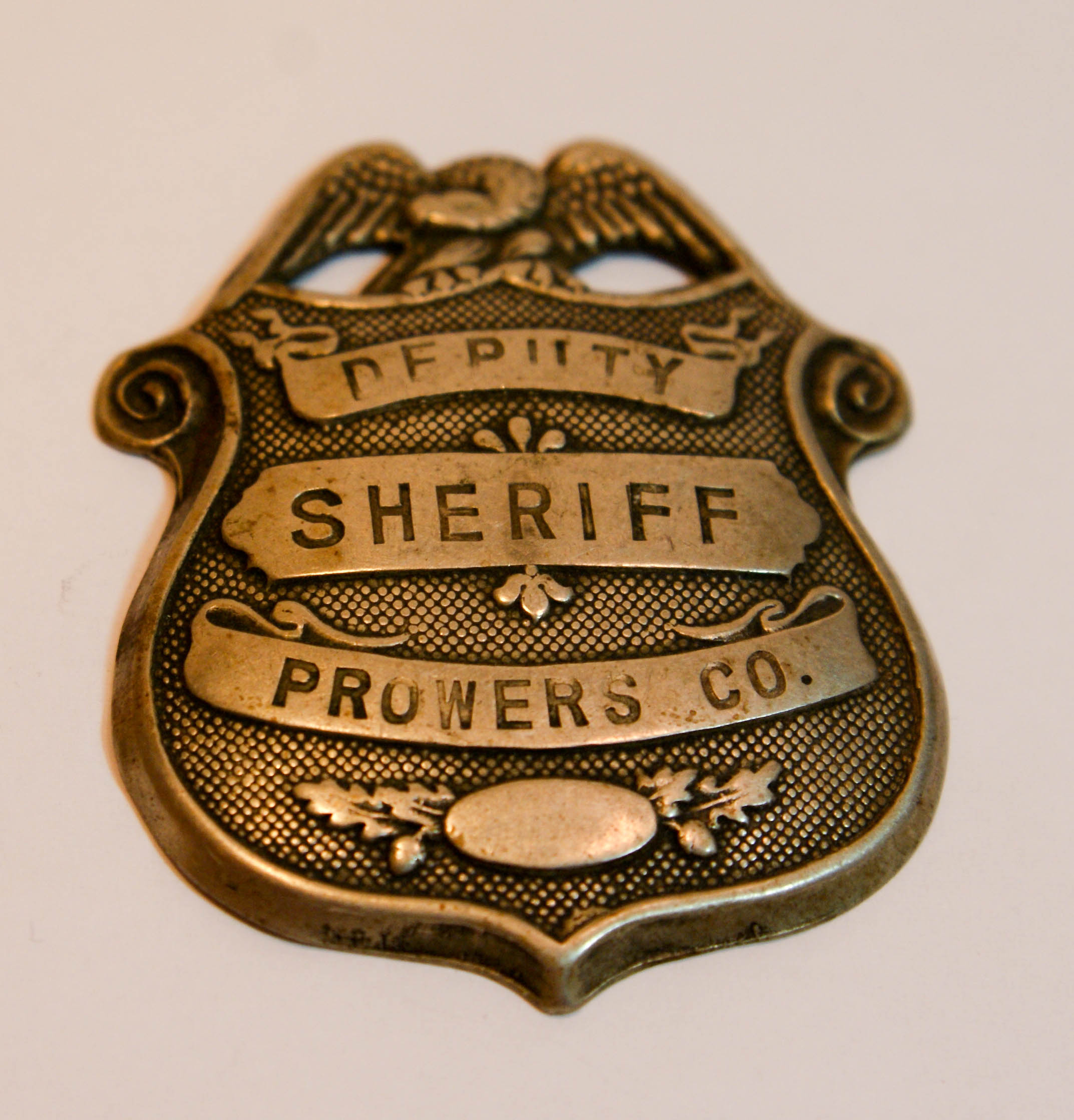
1930’S DEPUTY SHERIFFS PROWERS COUNTY BADGE
This is a great example of 1930’s Sheriff Deputy’s badge in Prowers County. Not many people give much thought to a police badge but did you know that these badges have a rich history dating back to medieval times or that different enforcement agencies have different badges? Since we love badges, challenge coins and medals, Fun facts about police badges. The first Police officers were Medieval Knights. Police officers wear their badge on left side of chest to protect their heart and the oath they took. First Police in America was in Boston “Night Watch” 1635 and turned in to a modern day police department in 1835. Police dogs even wear their badges
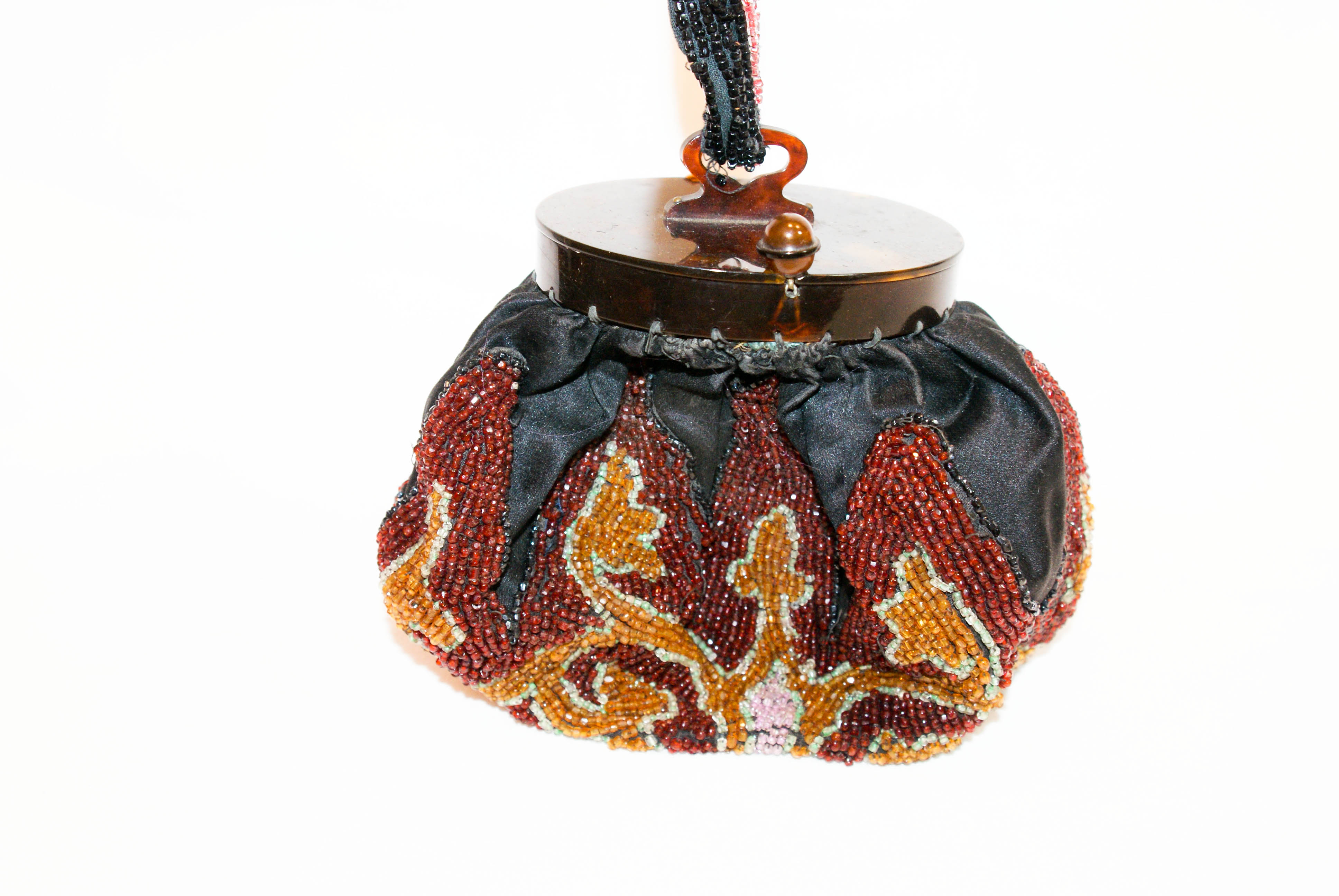
1920’s BEADED HANDBAG PURSE
This is a wonderful 1920’s beaded ladies handbag. It’s elegance is what ladies looked for when going out making a statement. Has celluloid top case. The beads are glass. Beaded purses have been handmade and in style for well over 200+ years. The early 1800’s, Victorian, Edwardian, Art Nouveau and Art Deco Eras brought forth some fascinating and exciting examples from Germany, France, Italy and Czechoslovakia. Today these works of art have become one of the hottest collectibles in the marketplace. Eexceptional workmanship make them prey for the lover of lost art forms. Not only are these handbags not being reproduced but there are very few dedicated people willing to take on their needed repairs and tedious restorations. Cherished by women and men alike, collectors recognize the humbling, time consuming efforts put into each and every handbag as well as their continuing increase in value, a sound indicator
1920’s DECO RED BAKELITE PURSE HANDBAG
This is a wonderful 1920’s bakelite ladies handbag. It’s elegance is what ladies looked for when going out making a statement. One of the first plastics made from synthetic components, Bakelite was used for its electrical and heat-resistant properties in electrical insulators, radio and telephone casings, and such diverse products as kitchenware, jewelry, handbags, pipe stems, firearms, and children’s toys. There is a large collectors market for items made of bakelite.
1800’s ANTIQUE BRONZE ASIAN CLOISONNÉ LARGE FLOWER BIRD VASE
This is a wonderful vintage Asian large 10” bronze cloisonné vase. It is very detailed and super quality made In the cloisonné technique, thin strips of metal are bent and curved to follow the outline of a decorative pattern; they are then attached, usually soldered, to the surface of the metal object, forming miniature walls that meet and create little cells between them. Into these cells, the powdered enamel is laid and fused. After it has cooled, the surface can be polished to remove imperfections and to add to the brilliance. The cloisonné technique is particularly suited to objects made of gold, such as jewelryMany cloisonné body ornaments have been found in tombs dating B.C. Today, international museums are displaying examples of Byzantine, Celtic, Persian, Egyptian, Slav, Greek, Islamic and Russian cloisonné pieces, from the B.C. and A.D. periods.
18th CENTURY IRON SLAVE BRANDING SPIKES
Three 18th Century original hand forged iron branding irons. This is so horrific and inhumane. The origin may be the ancient treatment of a slave (often legally not a person) as livestock. European, American and other colonial slavers branded millions of slaves during the period of trans-Atlantic enslavement. Sometimes there were several brandings, e.g. for the Portuguese crown and the (consecutive) private owner(s), an extra cross after baptism as well as by African slave catchers. To a slave owner it would be logical to mark such property just like cattle, more so since humans are more able to escape.
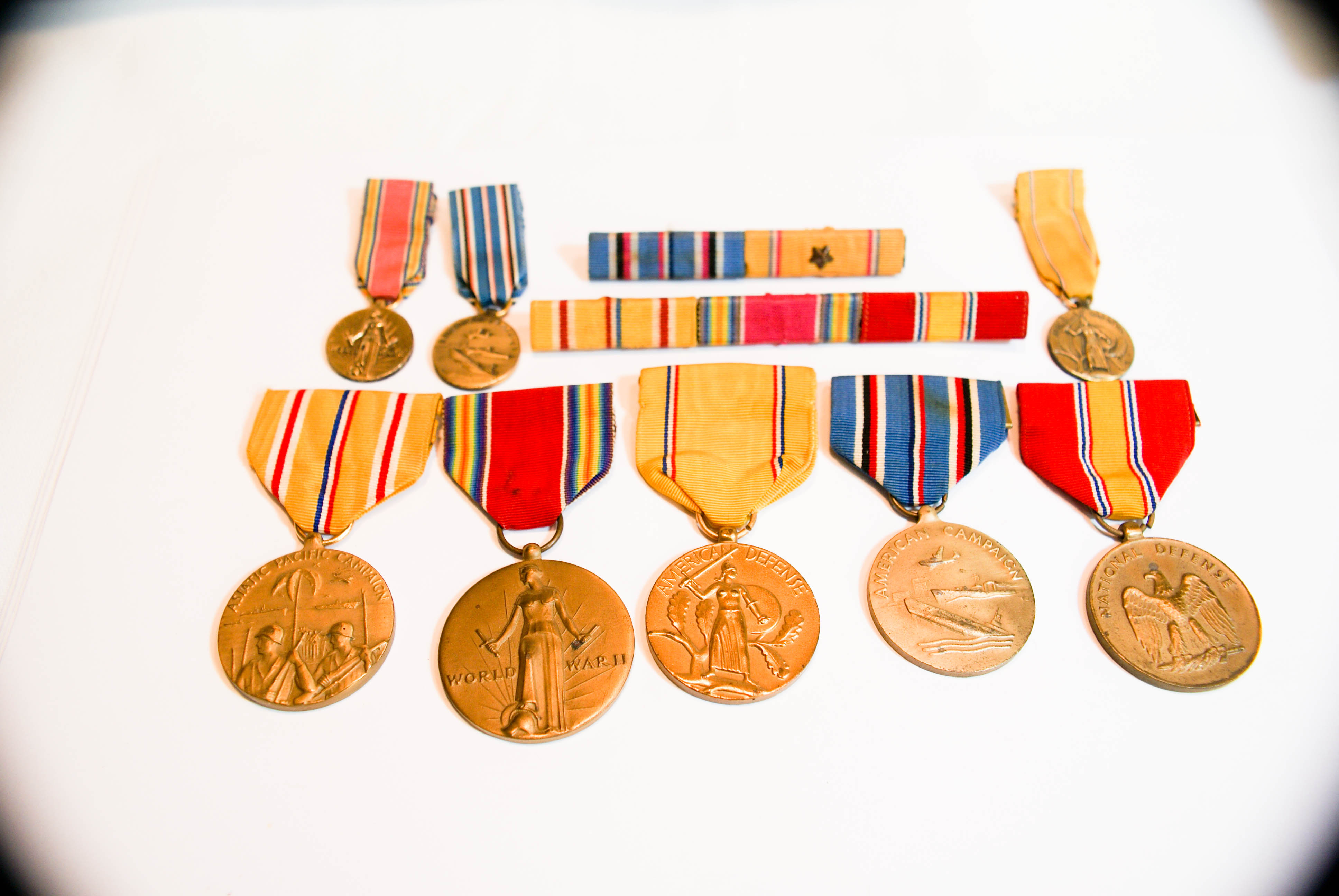
ESTATE MILITARY SERVICE MEDAL COLLECTION
The medal or medallion, is strictly speaking, a small, flat, and round (or, at times, oval) piece of metal that has been sculpted, molded, cast, struck or stamped. A medal may be awarded to a person or organization as a form of recognition for sporting, military, scientific, academic, or various other achievements.
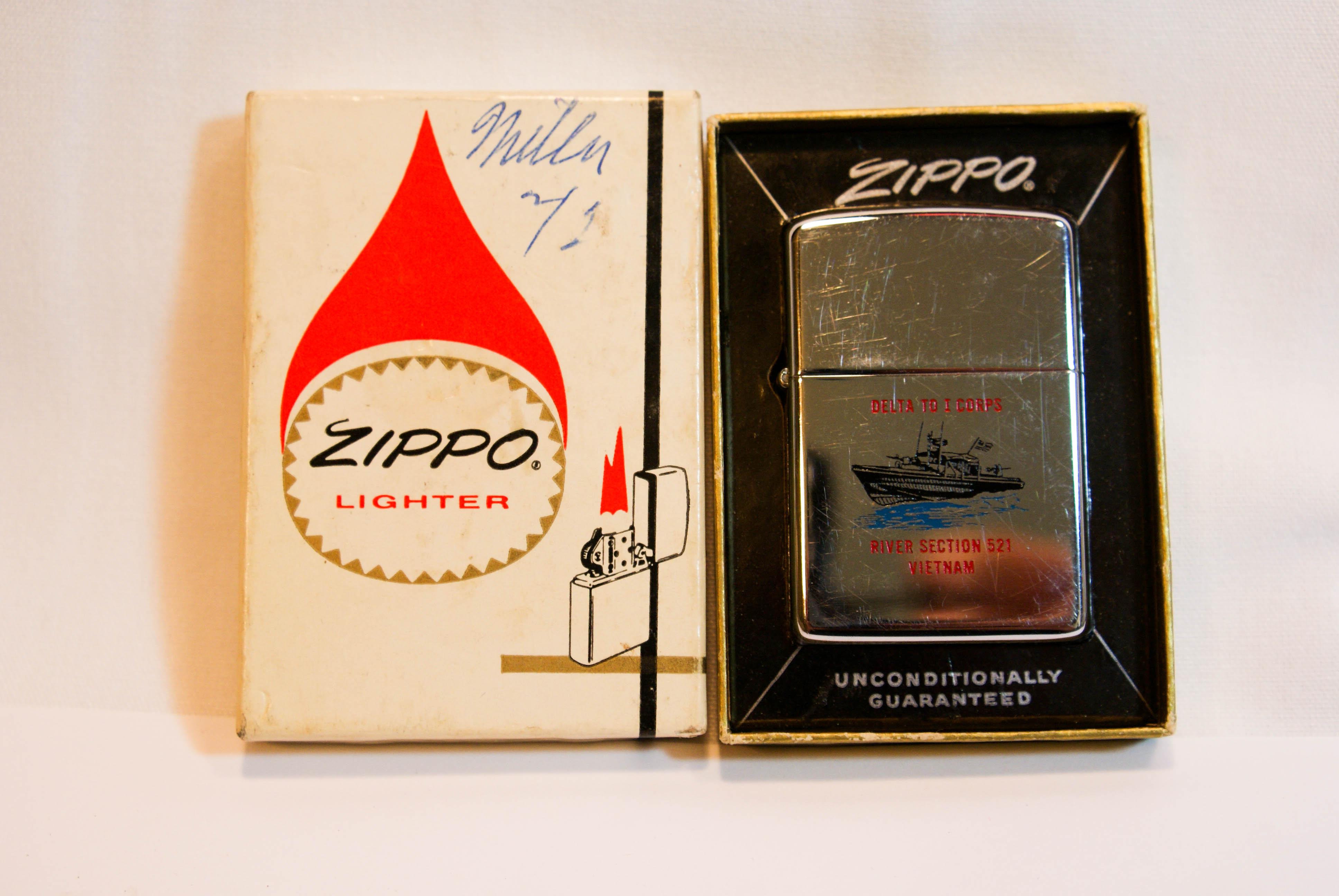
VINTAGE VIETNAM MILITARY ZIPPO LIGHTER DELTA RIVER PATROL SEC 521
The classic metal flip top Zippo lighter was first manufactured in 1933 by the Zippo Manufacturing Company of Bradford, Pennsylvania. The lighters ability to stay lit in inclement weather, its ‘windproof’ reputation garnered it instant success and popularity within the ranks of the military. It played a large role in nearly every large war since its inception — warming bodies, lighting cigarettes, starting fires, and even acting as mementos, much in the same way dog tags were collected upon soldiers’ deaths in remembrance of their lives. In popular culture, the “clink” of the Zippo as its top is flipped open has become as iconic in Hollywood as its design and original function.