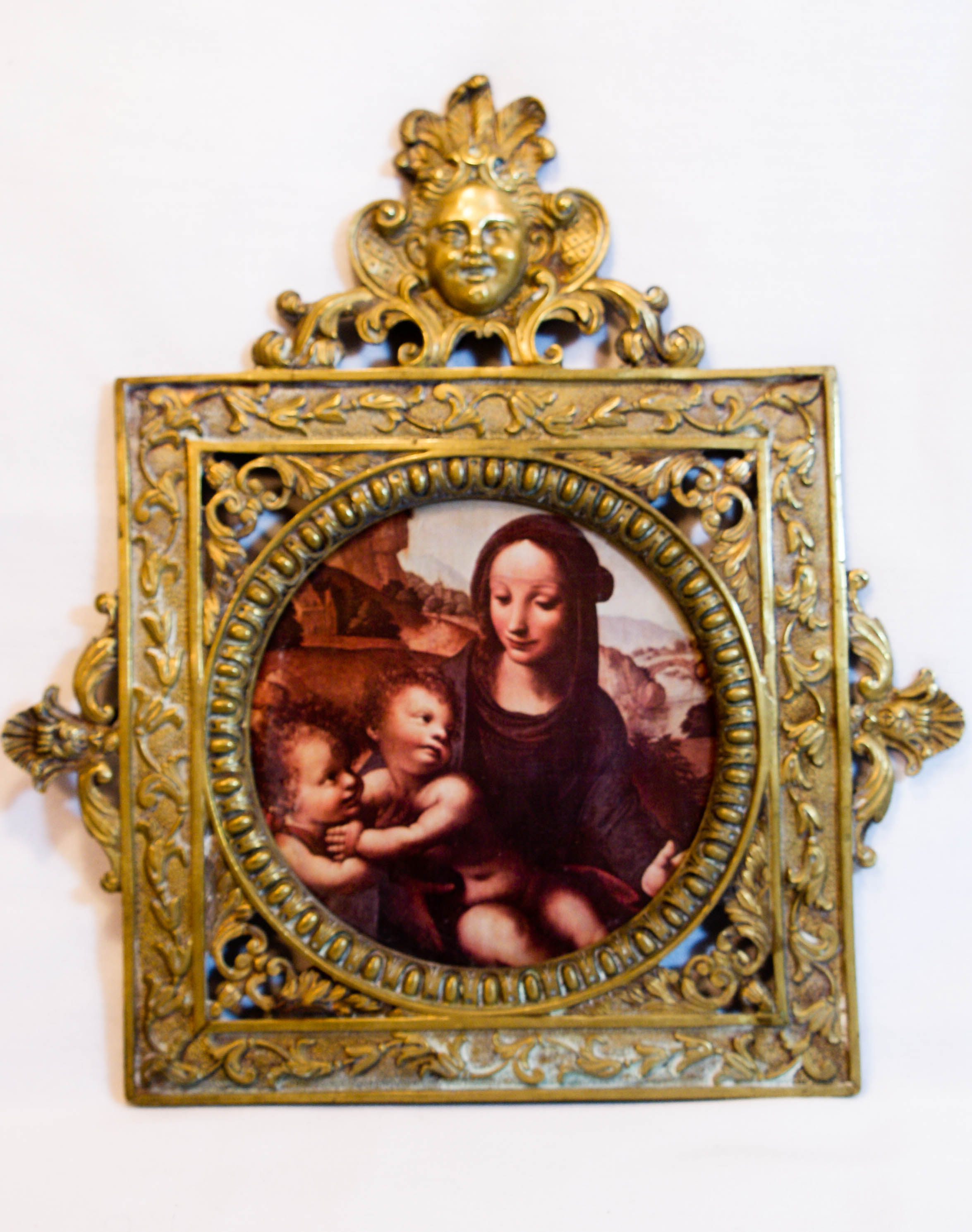
This fantastic piece is 1880’s French bronze frame, It is masterfully made and can be used on table top or wall. This period of French bronze and art was a Neoclassical period of Rodin was trying to escape from. Bronzing and art bronzes are some of my favorite pieces in the antique world.
Tag Archives: david a’s antiques
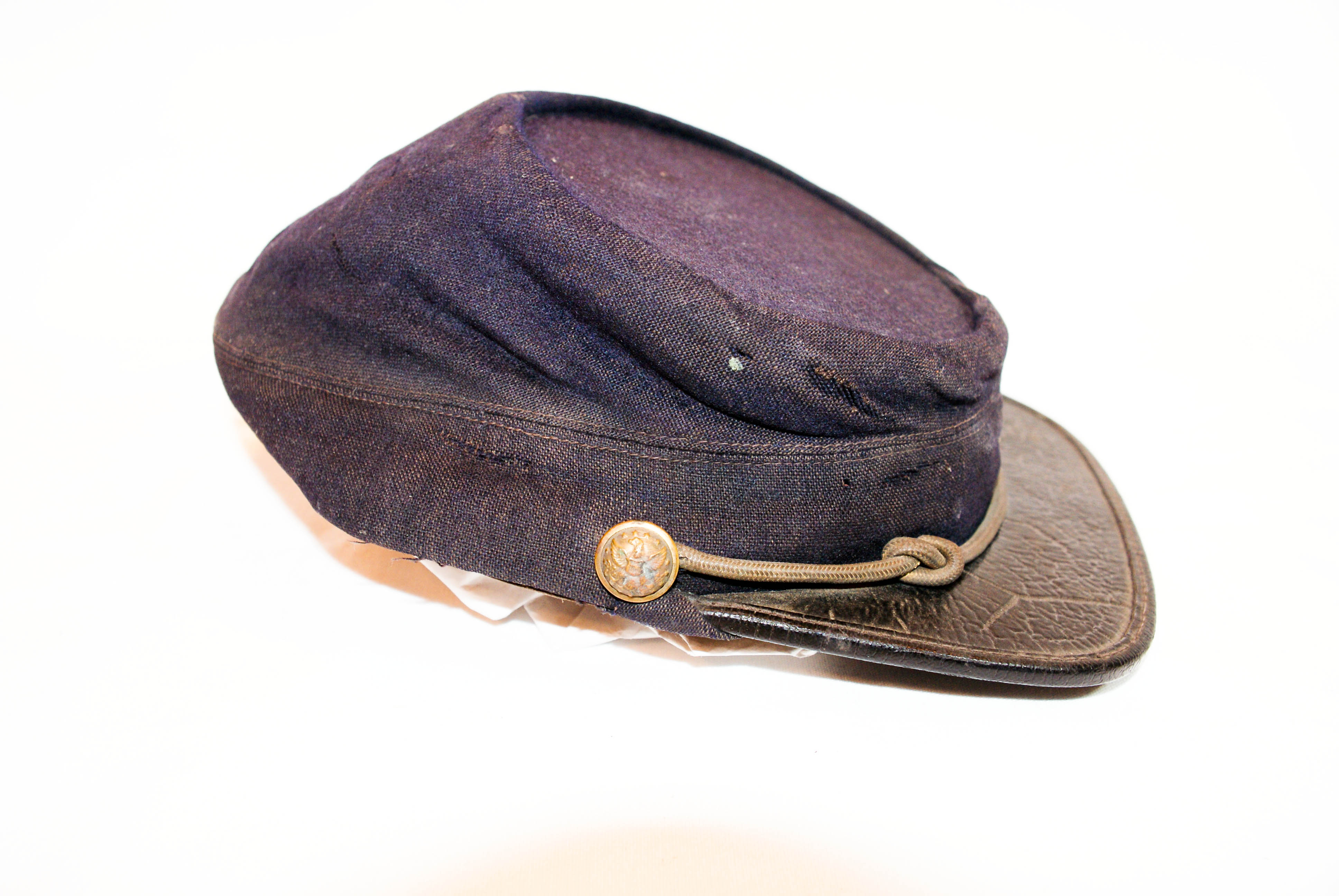
1860 ORIGINAL CIVIL WAR MILITARY UNION KEPI HAT
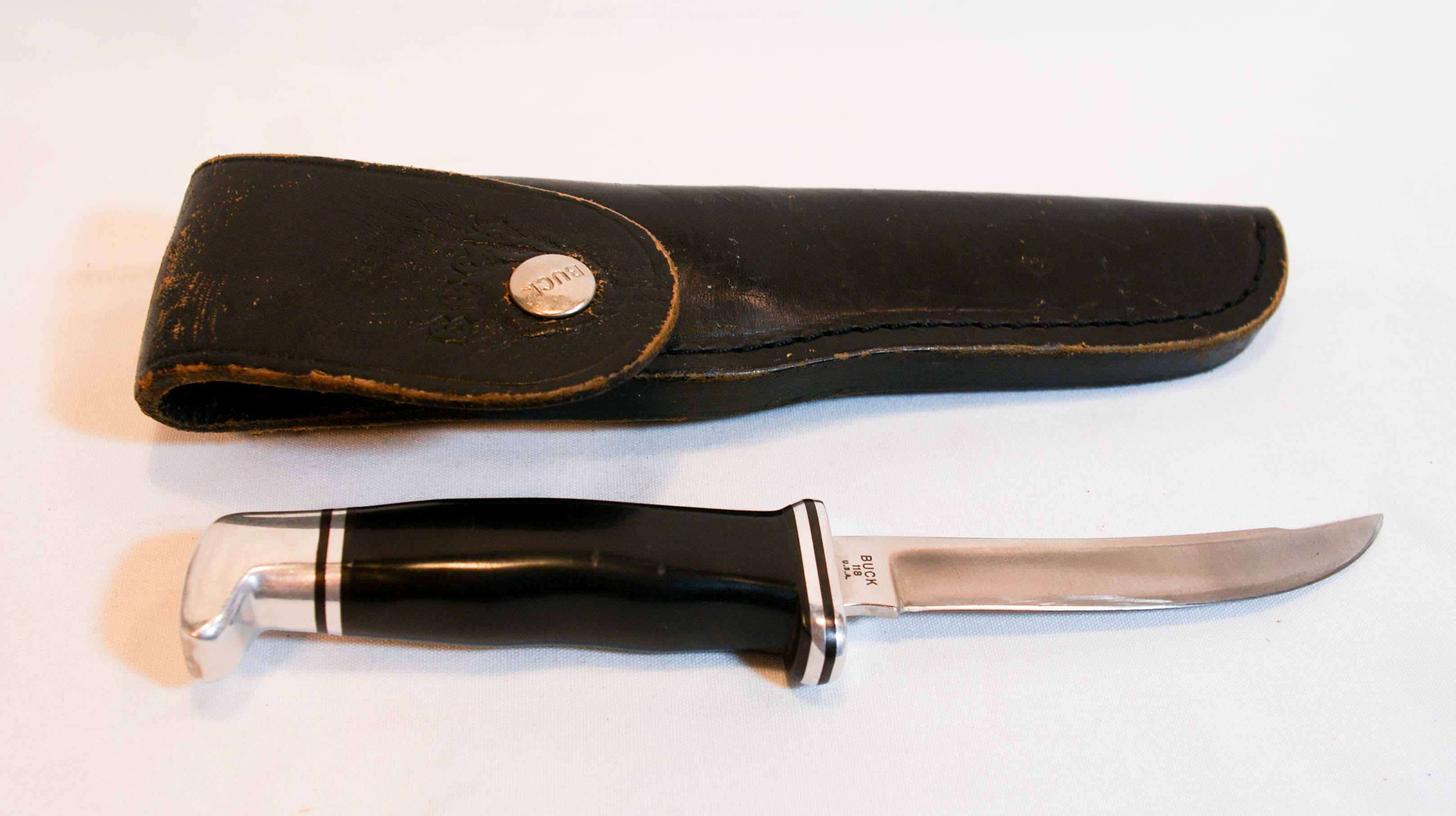
Vintage Buck Knife
Vintage Buck Knife with leather sheath . I lived very close to The first Buck knife factory in San Diego, and was later located to small building in Lemon Grove. Buck Knives Inc. dates it history back over 100 years to the first knives made by Hoyt H. Buck. Hoyt H. Buck became a blacksmiths apprentice in Kansas in 1899 at the age of 10
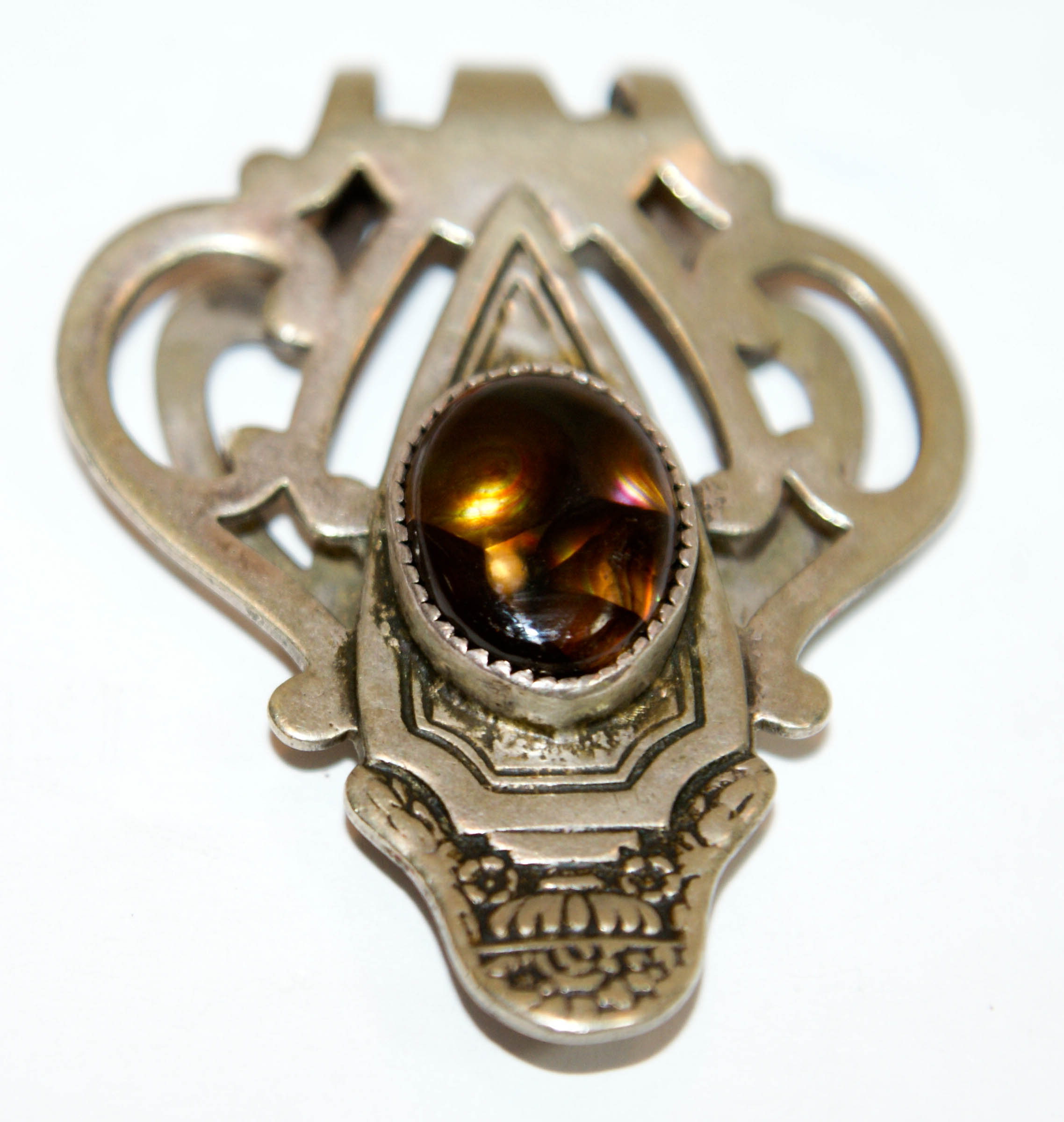
1900 ART NOUVEAU STERLING SILVER OPAL JEWELRY MONEY CLIP
1900 early sterling silver brown opal money clip. The art nouveau style is one of my favorite periods and designs next to art deco. The money clip is a fashion accessory for a male wearer. There is not much history to the money clip due to currency was mostly coin during the times, there is evidence dating back during China’s Han Dynasty in 118 BCE, original lightweight bank notes were made of leather.
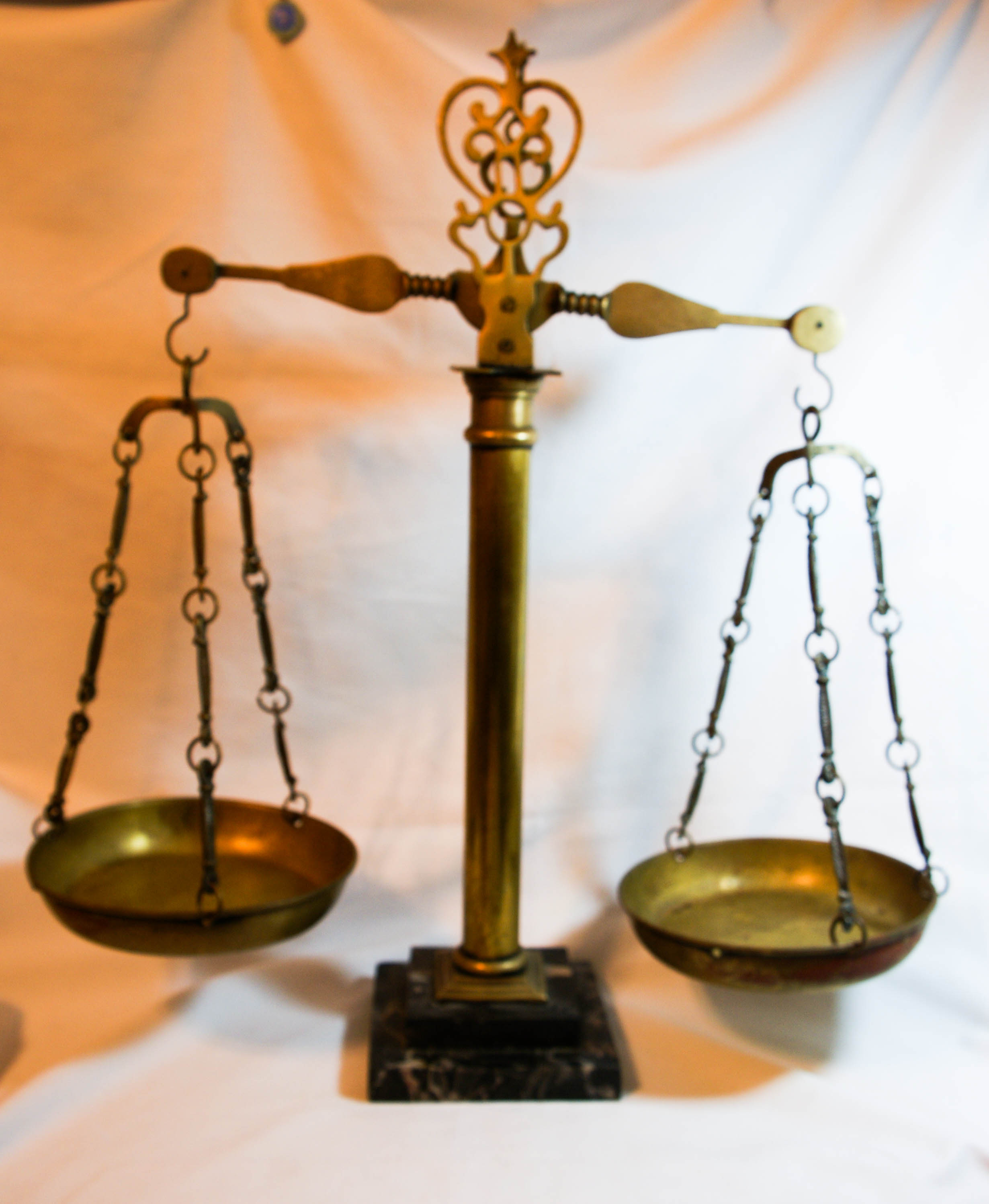
18th CENTURY BRASS MARBLE FRENCH SCALE
Beautiful hand crafted forged brass French table scale 18th Century. The name scales derives from the pair of scales or dishes in which objects to be weighed and the weights / masses against which to weigh them are placed. The Oxford English Dictionary defines scales as “Apparatus for weighing. The oldest evidence for the existence of weighing scales dates to c. 2400-1800 B.C.E. in the Indus River valley (modern-day Pakistan)
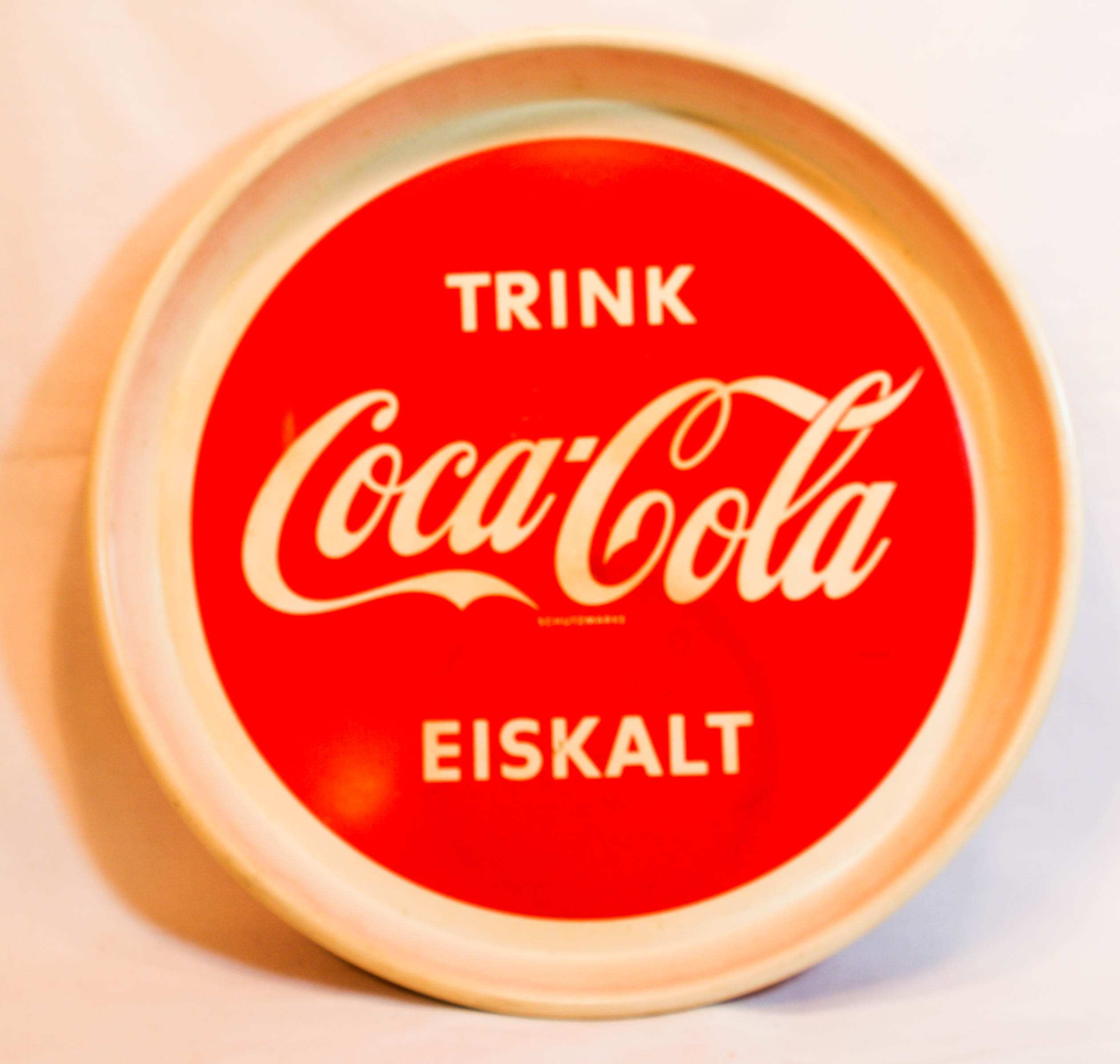
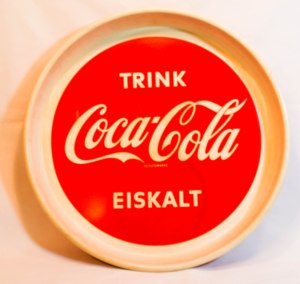
1950’s GERMAN COKE COCA COLA TIN TRAY
1950’s German Coca cola tin tray. Coca Cola started distributing tin serving and change trays to soda fountains in 1897. Trays produced from that date until 1968 belong to the first, or classic, period of Coca-Cola trays. Because trays made from 1970 onward were often reissues of older trays or were made from new materials. The earliest trays often had the slogan “Delicious and Refreshing,” slogans changed over time, with phrases like “Drink Coca-Cola,” “Coke Refreshes You Best,” “Here’s a Coke for you,” and “Be Really Refreshed!” Some trays had no slogan at all, only the familiar Coca-Cola logo.
1930’s MICKEY MOUSE PENCIL SCHOOL BOX rare!
This is a wonderful rare hard to find 1930’s Mickey Mouse pencil school box. Mickey Mouse is dear to my heart. My father was a Disney artist toy maker had one of the largest collections in the world, and open a toy museum in Japan in 1990’s. Mickey Mouse was born in 1928 his first cartoon was Steamboat Willie and the rest is history. I can remember as a kid the house filling up with all these toys and items. I spent many days at the studios and the tunnels in Disneyland. Mickey Mouse is the #1 icon in the world!!!
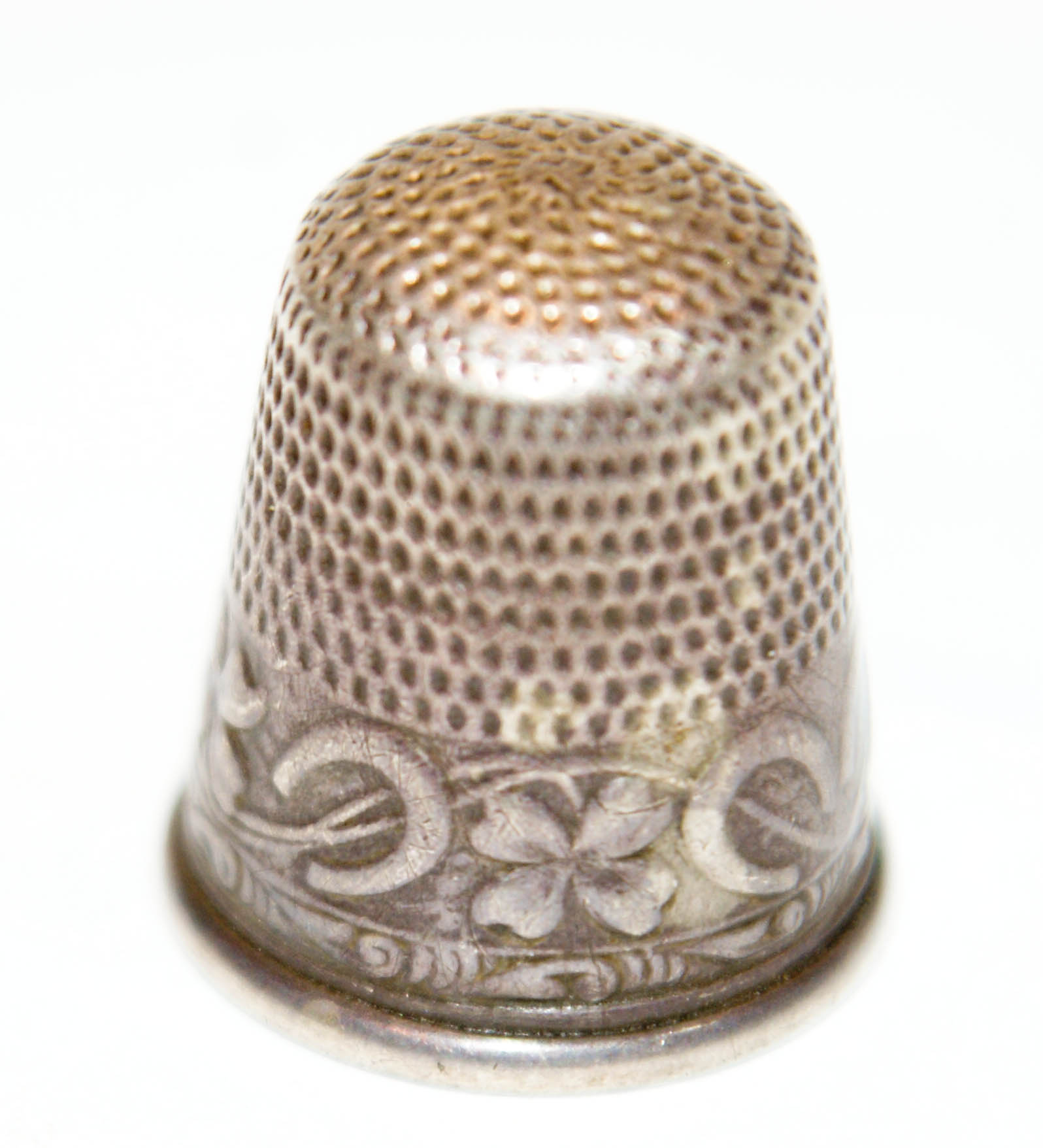
1860 STERLING LUCKY SEWING THIMBLE
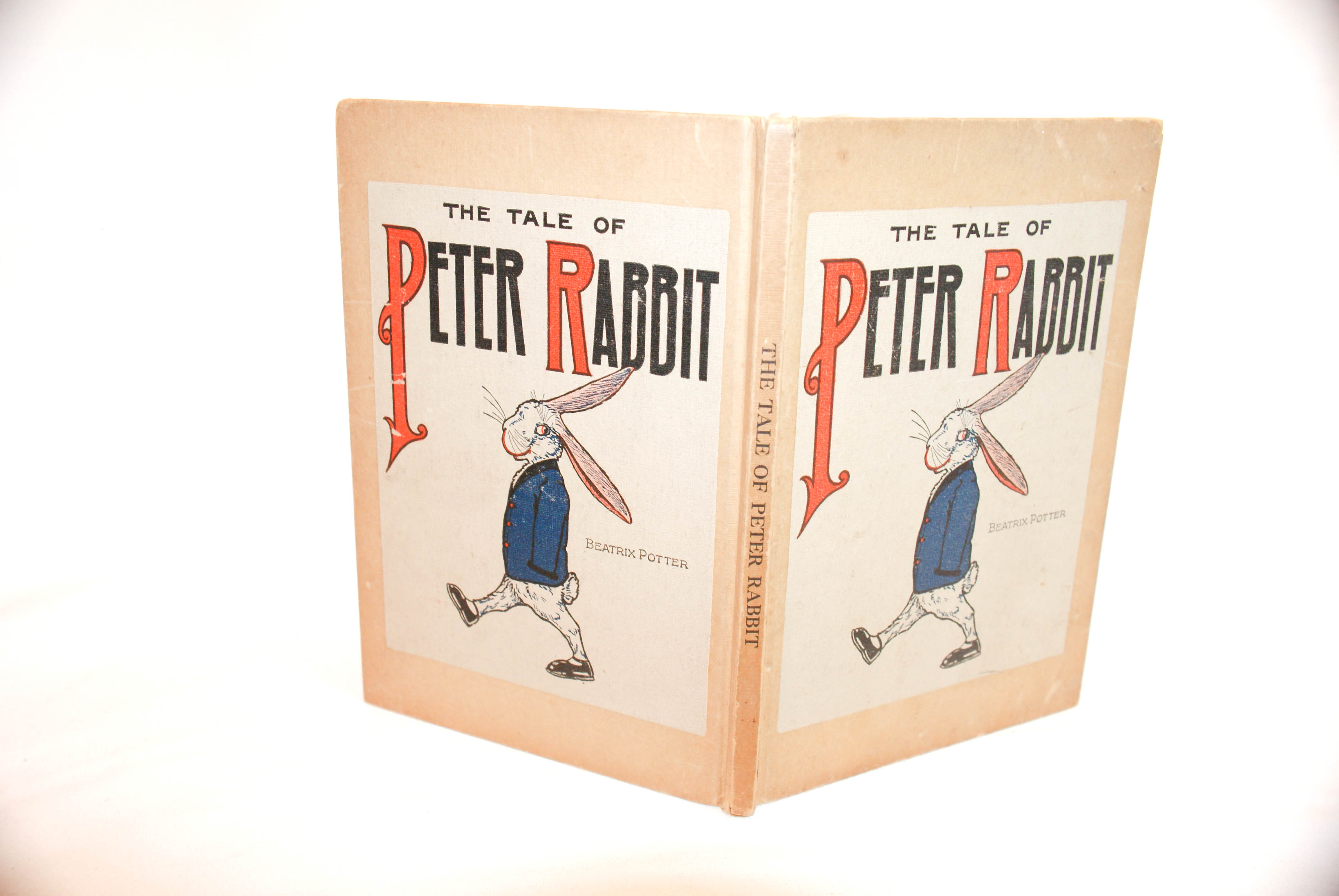
1902 TALE OF PETER RABBIT BEATRIX POTTER CHILDS BOOK
1902 1st edition Tale of Peter Rabbit by Beatrix Potter, hardback with wonderful illustrations. Helen Beatrix Potter born 28July 1866- past 22 Dec1943 was an English author, illustrator, natural scientist and conservationist best known for her imaginative children’s books, featuring animals such as those in The Tale of Peter Rabbit, which celebrated the British landscape and country life.
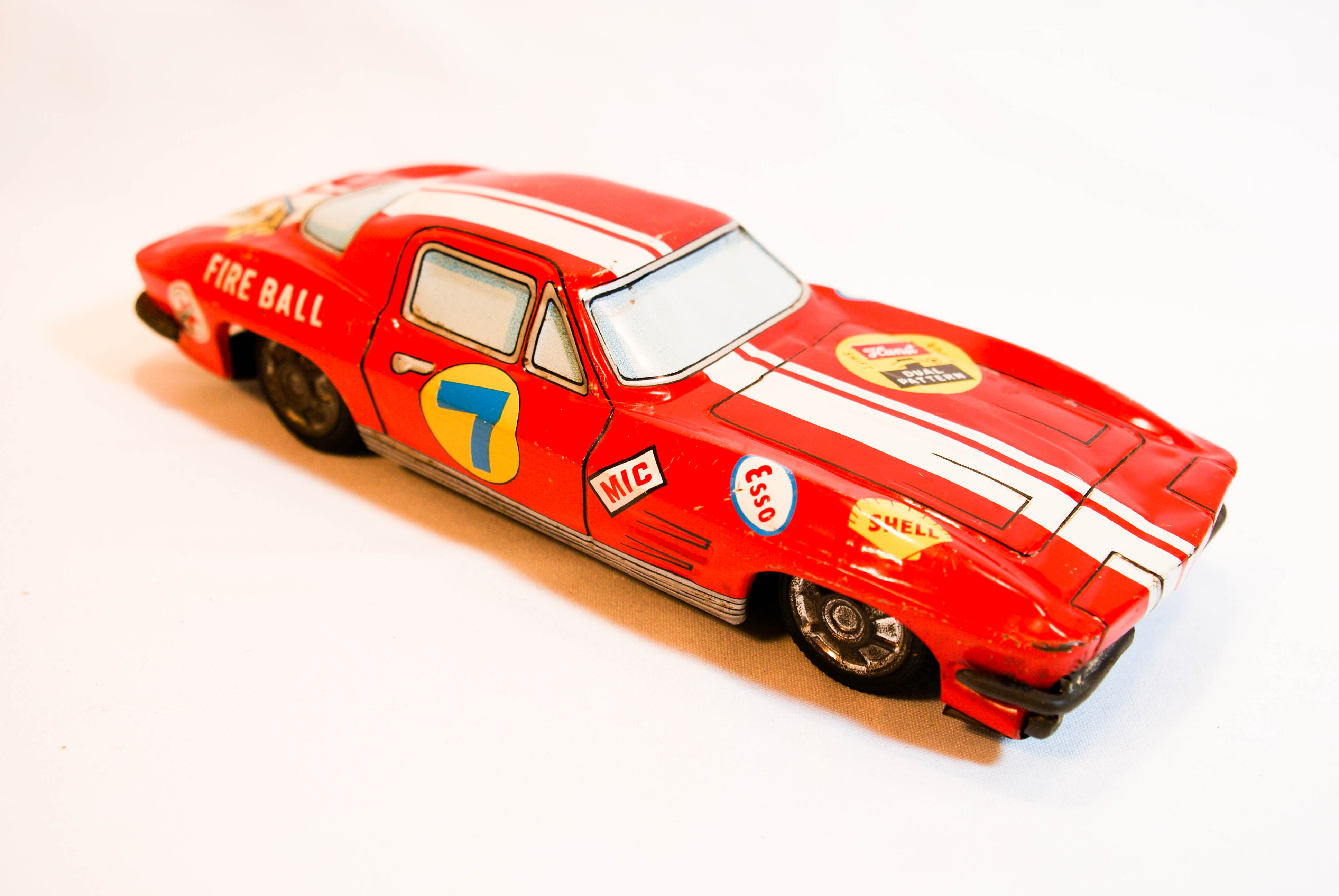
1950’s JAPAN TIN TOY FRICTION RACE CAR
This is an awesome 1950’s Japan made tin friction toy race car. A friction car toy is a toy car that will semi wind and move with a continuing movement based on the friction applied to wheels. It will make a noise of a motor when moving. Tinplate was used in the manufacture of toys beginning in the mid-19th century. The toys were made from thin sheets of steel plated with tin, hence the name tinplate. They were a cheap and durable substitute for wooden toys. The toys were originally assembled and painted by hand. Spring activated tin toys originated in Germany in the 1850s. In the late 1880s off set lithography was used to print designs on tinplate. After the colorful designs were printed on the metal, they were formed by dies and assembled with small tabs. The lightweight of the toys allowed them to be shipped less expensively and easier than the heavier cast iron toys. The production of tin toys was discontinued during WW2 because of the need for raw materials in the war effort. After the war, tin toys were produced in large numbers in Japan.. The idea was to give Japan all of the low profit; high labor manufacturing and the US companies could sell the imported product. It worked better than they had expected and Japan became a tin toy manufacturing force until the end of the 1950s. In the 1960s cheaper plastic and new government saftey regulations ended the reign of tin toys. China has taken over the role of the leading tin toy manufacturing