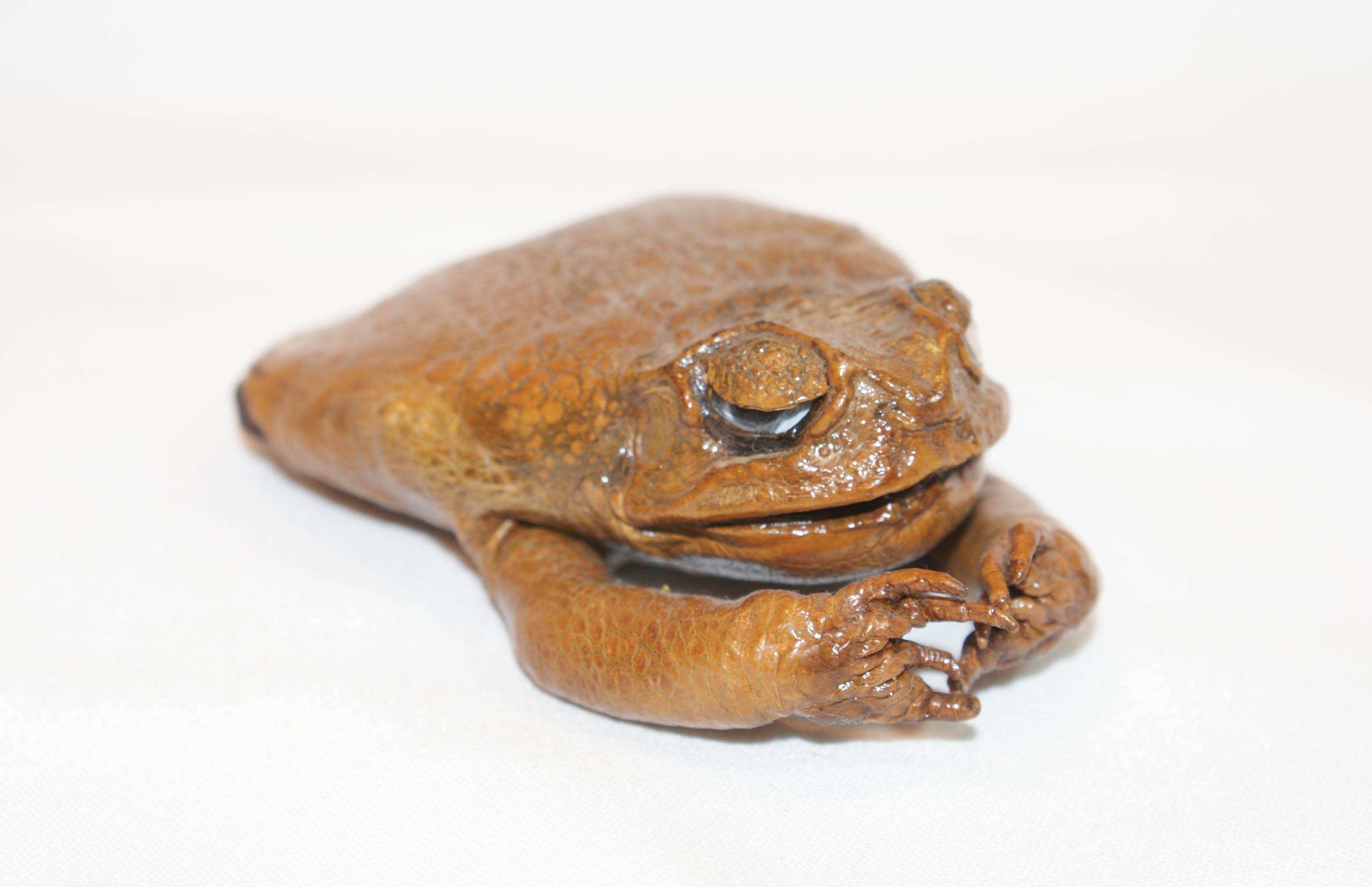
This is a unique toad coin purse, it is bizarre and unique. Made in the 1950’s. There is great history to the coin purse. In the 15th century, both men and women wore purses. They were often finely embroidered or ornamented with gold. It was also customary for men to give their new brides purses embroidered with an illustration of a love story. In the 17th century, bags became more complex and elaborate. Girls were taught skills such as embroidery and needlework that could assist them in finding a husband. These skills gave rise to stitched artwork on bags. Around the year 1670, men’s breeches were made with built-in pockets, which caused them to stop carrying purses. They did however carry little netted purses in their pocket to carry money. Than came this 1950 coin purse!!! It was made as a novelty gag item.
Tag Archives: estate sales
1920’s DECO RED BAKELITE PURSE HANDBAG
This is a wonderful 1920’s bakelite ladies handbag. It’s elegance is what ladies looked for when going out making a statement. One of the first plastics made from synthetic components, Bakelite was used for its electrical and heat-resistant properties in electrical insulators, radio and telephone casings, and such diverse products as kitchenware, jewelry, handbags, pipe stems, firearms, and children’s toys. There is a large collectors market for items made of bakelite.
1800’s ANTIQUE BRONZE ASIAN CLOISONNÉ LARGE FLOWER BIRD VASE
This is a wonderful vintage Asian large 10” bronze cloisonné vase. It is very detailed and super quality made In the cloisonné technique, thin strips of metal are bent and curved to follow the outline of a decorative pattern; they are then attached, usually soldered, to the surface of the metal object, forming miniature walls that meet and create little cells between them. Into these cells, the powdered enamel is laid and fused. After it has cooled, the surface can be polished to remove imperfections and to add to the brilliance. The cloisonné technique is particularly suited to objects made of gold, such as jewelryMany cloisonné body ornaments have been found in tombs dating B.C. Today, international museums are displaying examples of Byzantine, Celtic, Persian, Egyptian, Slav, Greek, Islamic and Russian cloisonné pieces, from the B.C. and A.D. periods.
18th CENTURY IRON SLAVE BRANDING SPIKES
Three 18th Century original hand forged iron branding irons. This is so horrific and inhumane. The origin may be the ancient treatment of a slave (often legally not a person) as livestock. European, American and other colonial slavers branded millions of slaves during the period of trans-Atlantic enslavement. Sometimes there were several brandings, e.g. for the Portuguese crown and the (consecutive) private owner(s), an extra cross after baptism as well as by African slave catchers. To a slave owner it would be logical to mark such property just like cattle, more so since humans are more able to escape.
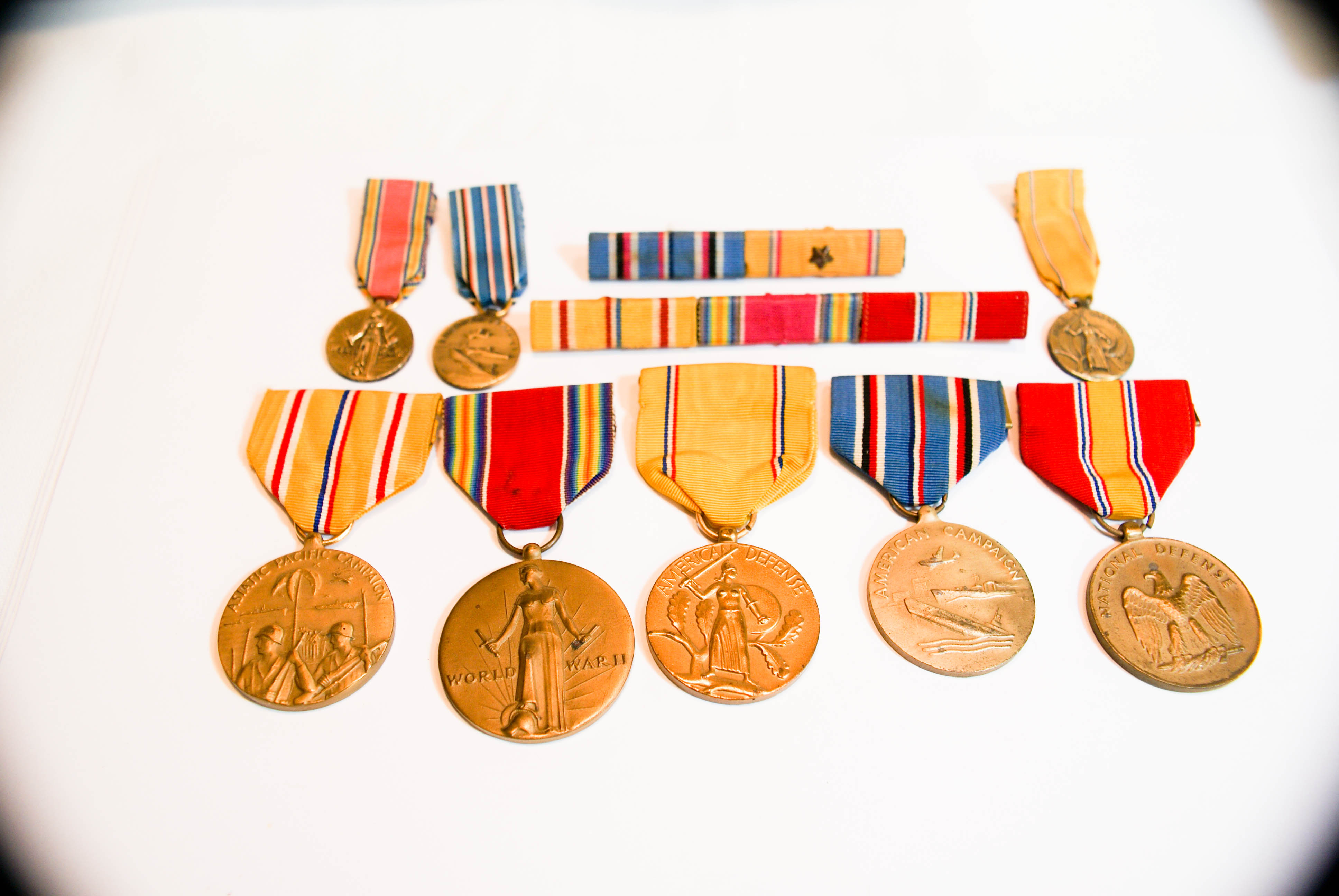
ESTATE MILITARY SERVICE MEDAL COLLECTION
The medal or medallion, is strictly speaking, a small, flat, and round (or, at times, oval) piece of metal that has been sculpted, molded, cast, struck or stamped. A medal may be awarded to a person or organization as a form of recognition for sporting, military, scientific, academic, or various other achievements.
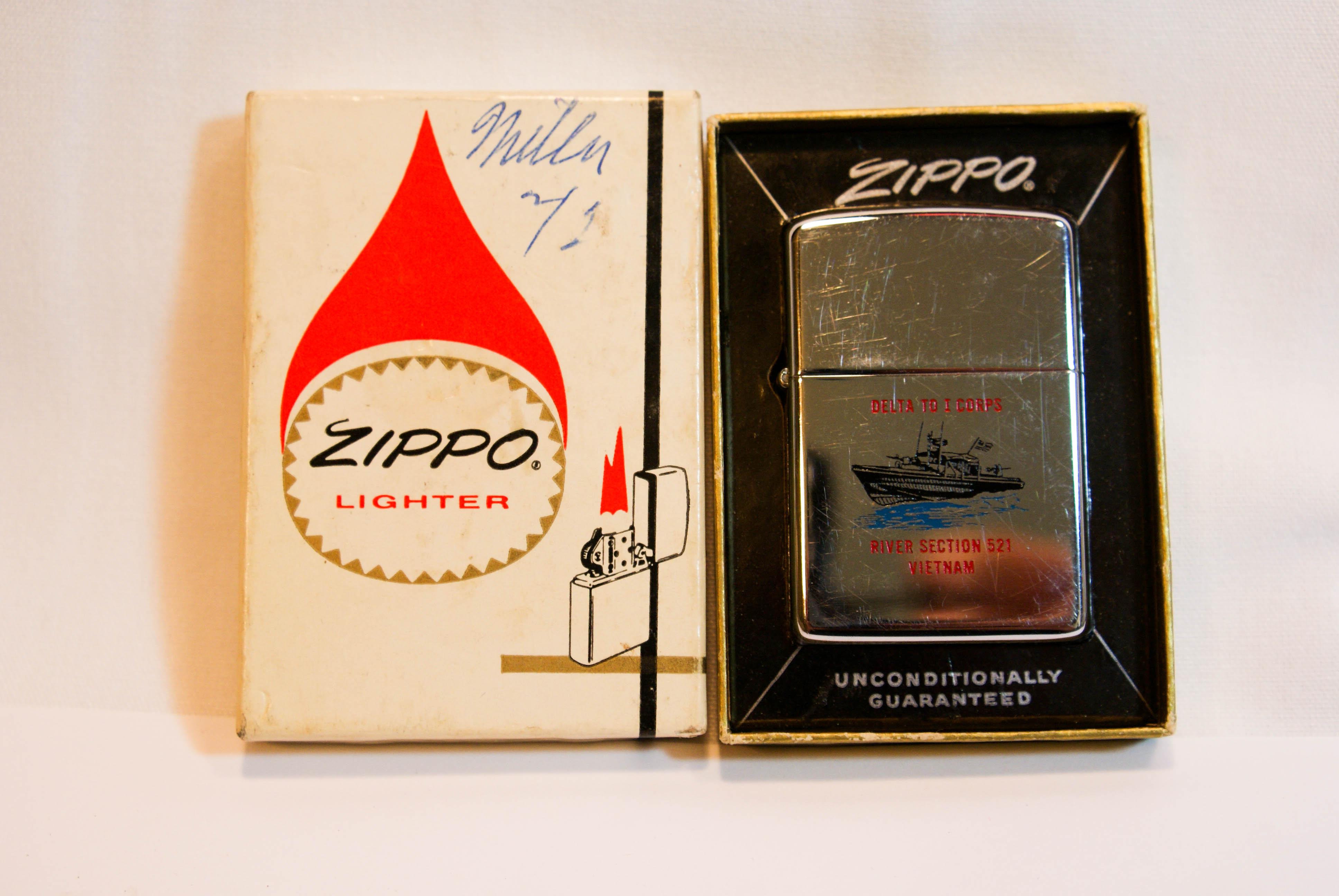
VINTAGE VIETNAM MILITARY ZIPPO LIGHTER DELTA RIVER PATROL SEC 521
The classic metal flip top Zippo lighter was first manufactured in 1933 by the Zippo Manufacturing Company of Bradford, Pennsylvania. The lighters ability to stay lit in inclement weather, its ‘windproof’ reputation garnered it instant success and popularity within the ranks of the military. It played a large role in nearly every large war since its inception — warming bodies, lighting cigarettes, starting fires, and even acting as mementos, much in the same way dog tags were collected upon soldiers’ deaths in remembrance of their lives. In popular culture, the “clink” of the Zippo as its top is flipped open has become as iconic in Hollywood as its design and original function.
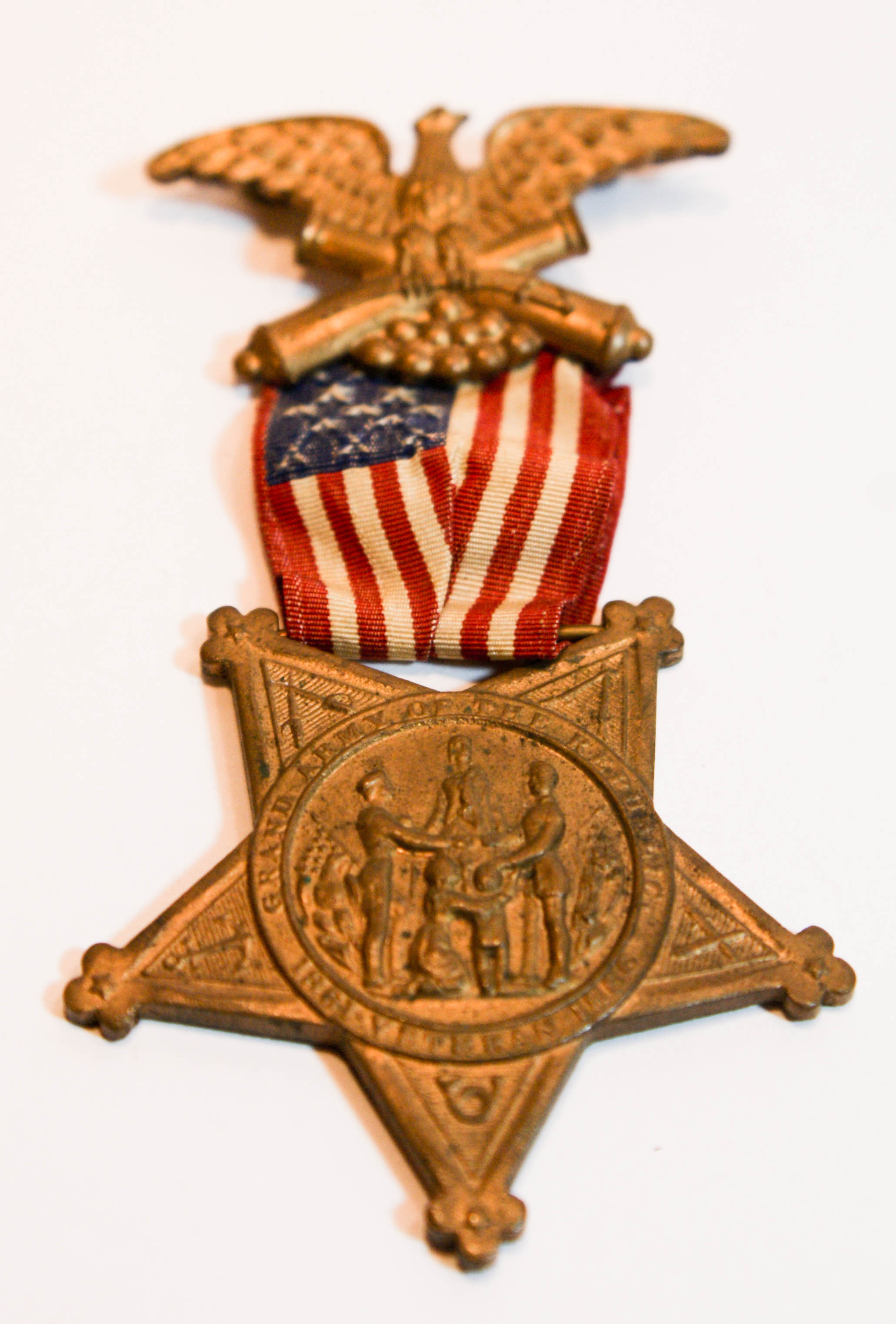
CIVIL WAR MILITARY MEDAL
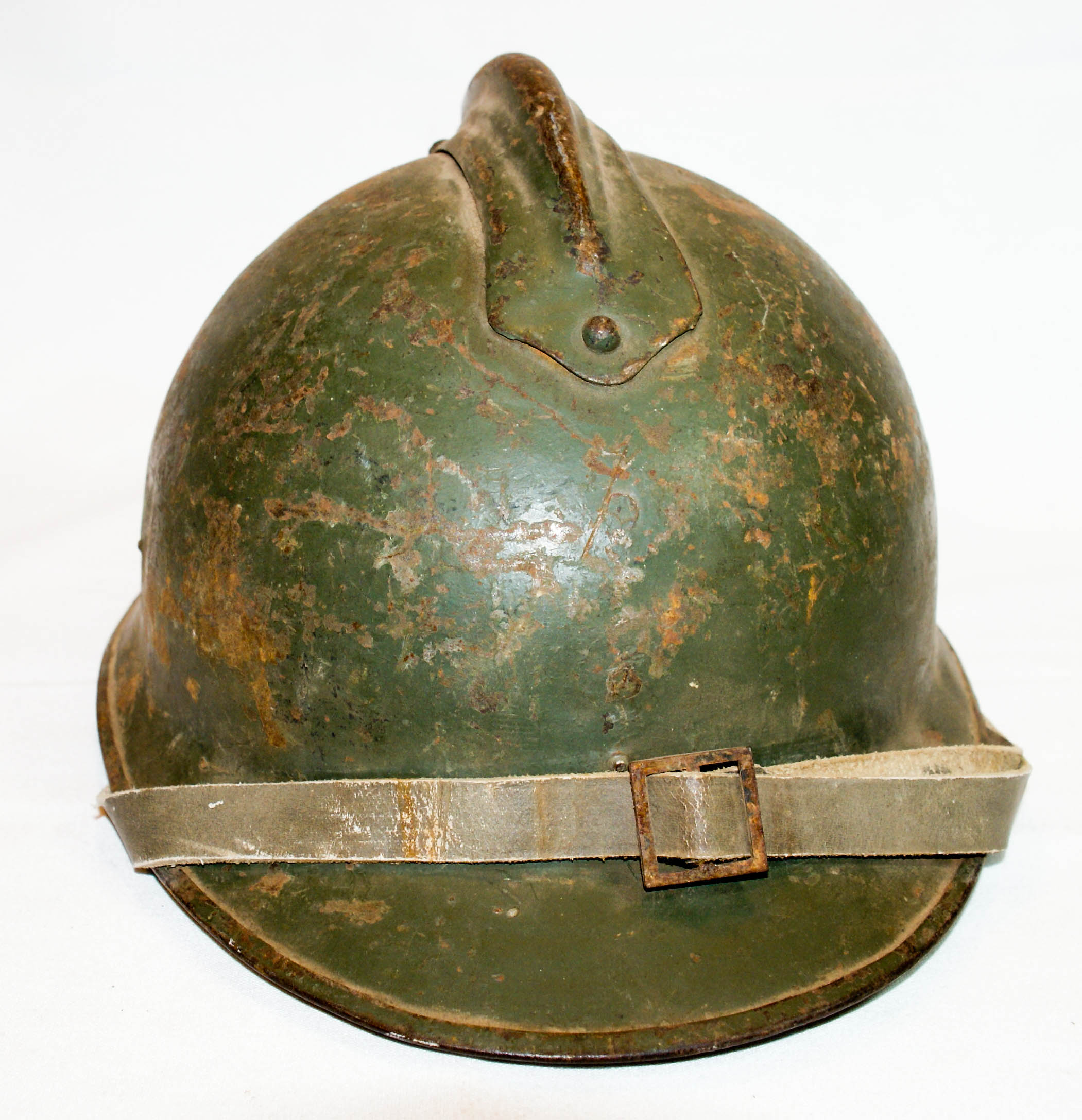
WORLD WAR 1 MILITARY FRENCH M15 ADRIAN HELMET
The M15 Adrian helmet was a combat helmet issued to the French Army during World War 1. It was the first standard helmet of the French Army and was designed when millions of French troops were engaged in trench warfare, and head wounds from the falling shrapnel generated by the new technique of indirect fire became a frequent cause of battlefield casualties. Introduced in 1915, it was the first modern steel helmet and it served as the basic helmet of many armies well into the 1930s. Initially issued to infantry soldiers, in modified form they were also issued to cavalry and tank crews. A subsequent version, the M26, was used during WW2
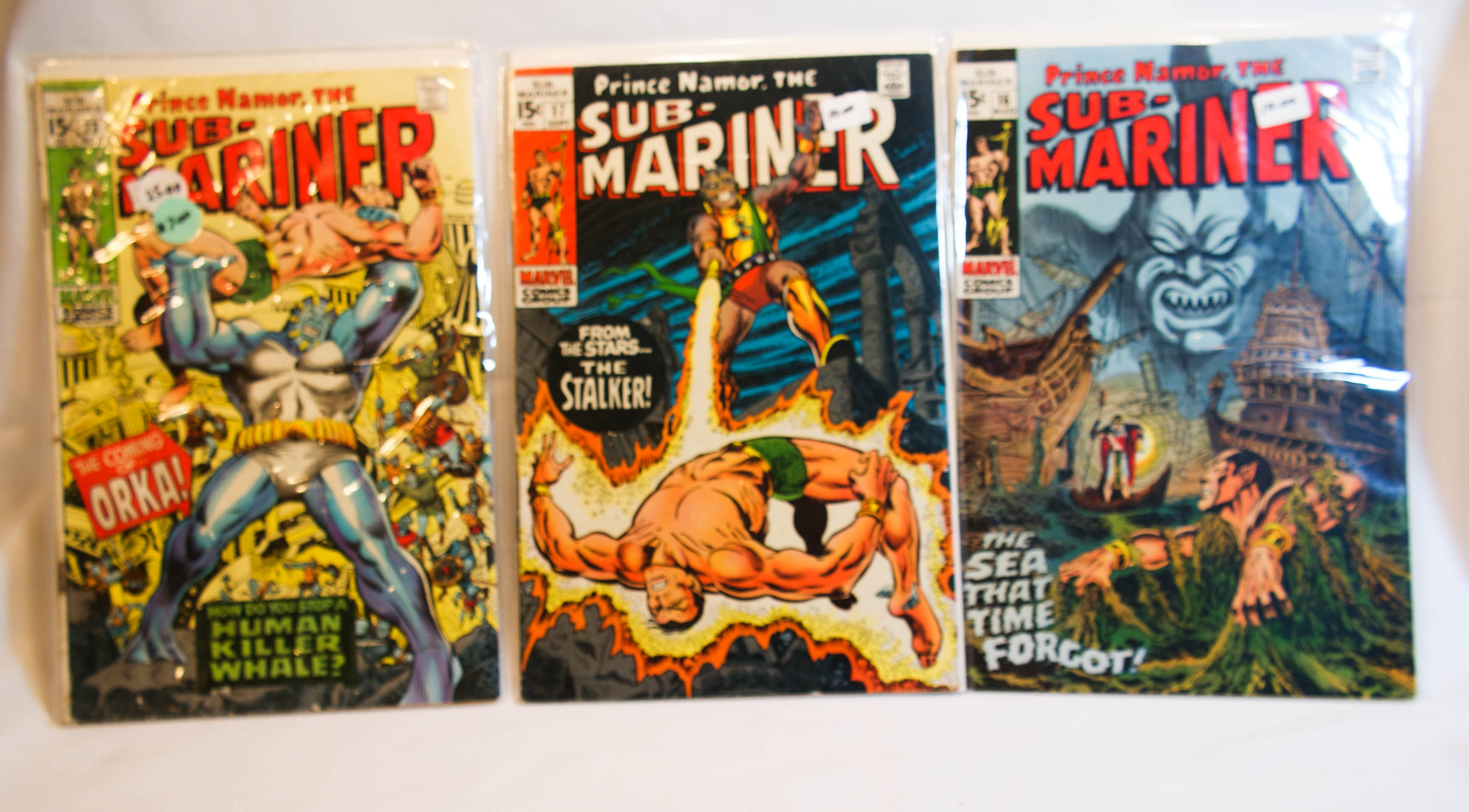
1960’s SUB-MARINER MARVEL COMIC BOOKS
The Silver Age of Comic Books was a period of artistic advancement and commercial success in mainstream for American comic books, dominantly those in the superhero. The Silver Age is considered to cover the period from 1956 to circa 1970. All kids loved comics. The artwork the stories so much fun and imagination. Today some of our top films were taken from the Silver age period comic heroes.
200yr OLD PRIMITIVE AMERICAN CALIFORNIA NATIVE INDIAN POTTERY WATER JUG
Thousands of years ago, was the beginning of agriculture in North America caused the early nomadic Indian people to settle into new territories in North America. Soon, pottery shapes developed with various customs and techniques of gathering water, storing grains and preserving seeds for the season of planting. The craft was the woman’s job in the development of cooking pots that were made to sit on rocks in open fires, water jars with indented bases so they could sit comfortably on the heads of water gatherers, and large storage vessels for grains and water. Indian villages all over the North America became known for their different pot shapes and decorative styles.